
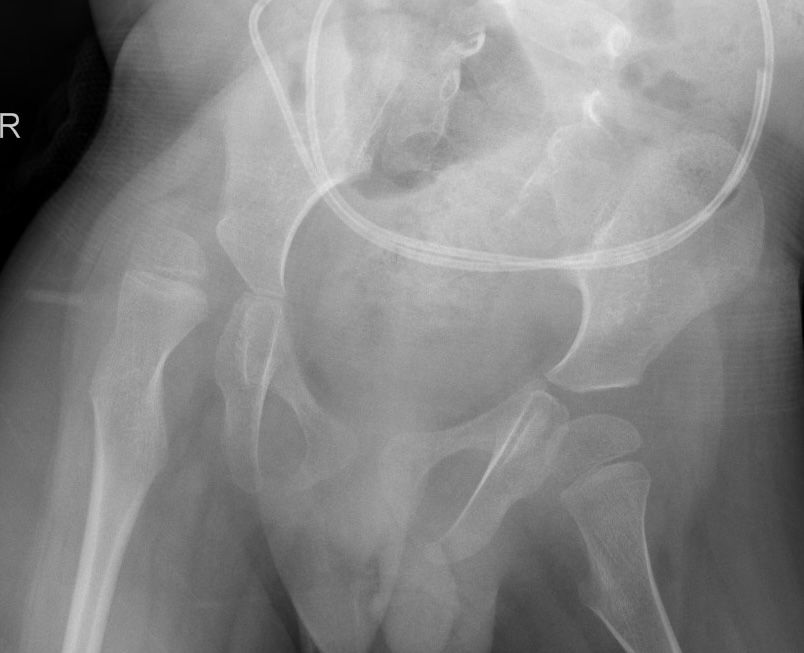
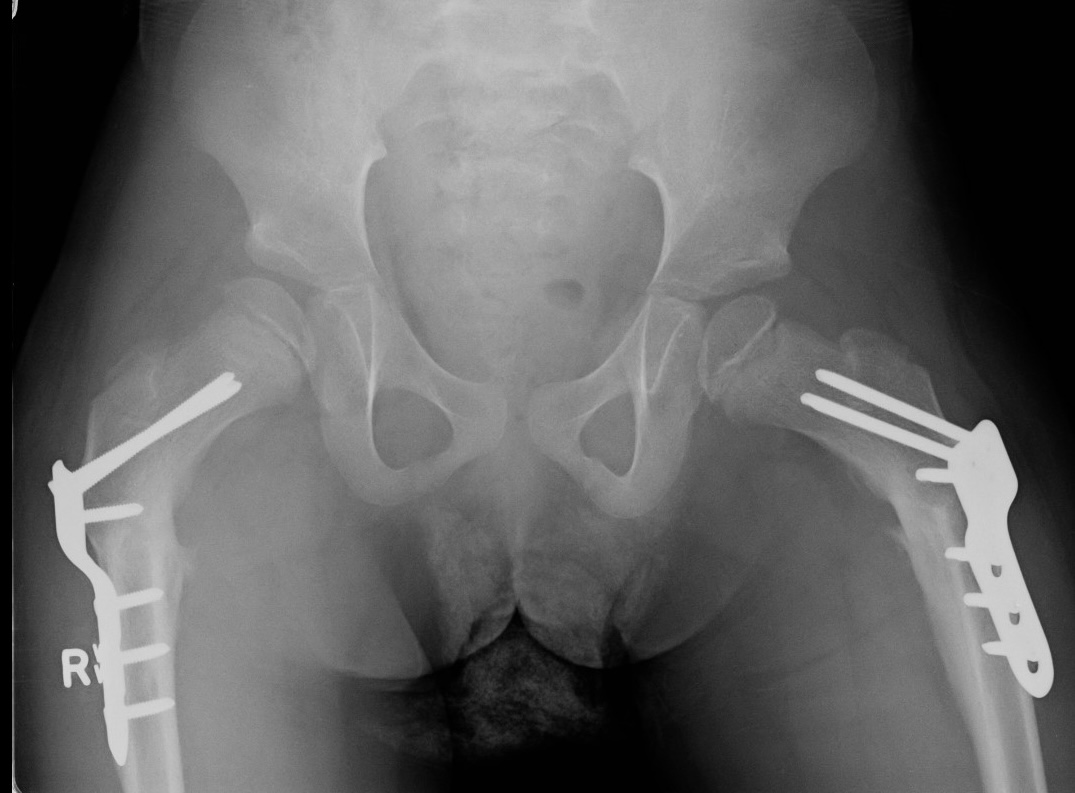
Hip Dislocation
Issue
It is thought that hip dislocation in cerebral palsy is painful
Etiology
- hip contractures - fixed flexion and adduction contractures
- coxa valga
- increased femoral neck anteversion
Risk factors
Increased risk with wheelchair / non ambulant / GMFCS III / IV / V
Giuca et al J Clin Orthop Trauma 2025
- systematic review of hip dislocation in CP
- overall incidence 40%
- ambulant CP 17%
- non ambulant / wheelchair CP 72%
- associated with pelvic obliquity > 10 degrees
- association Reimer's migration percentage > 30%
Xray
Yearly hip surveillance for CP patients
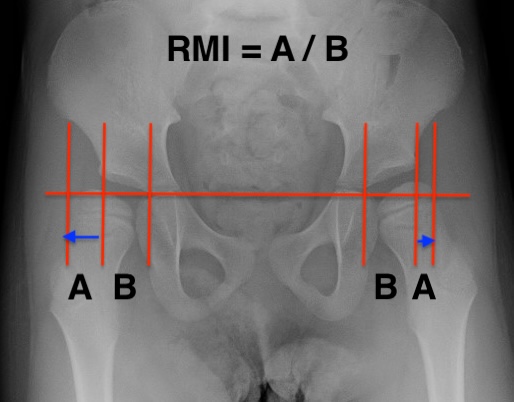
Reimer's migration percentage (RMP)
- % of femoral head lateral to acetabulum
> 30% high risk of progression and likely requires intervention
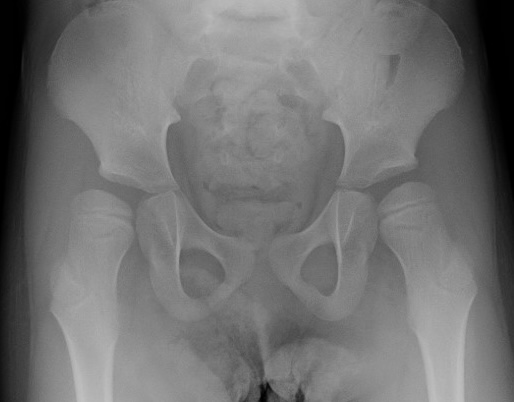
RMP of approximately 30%
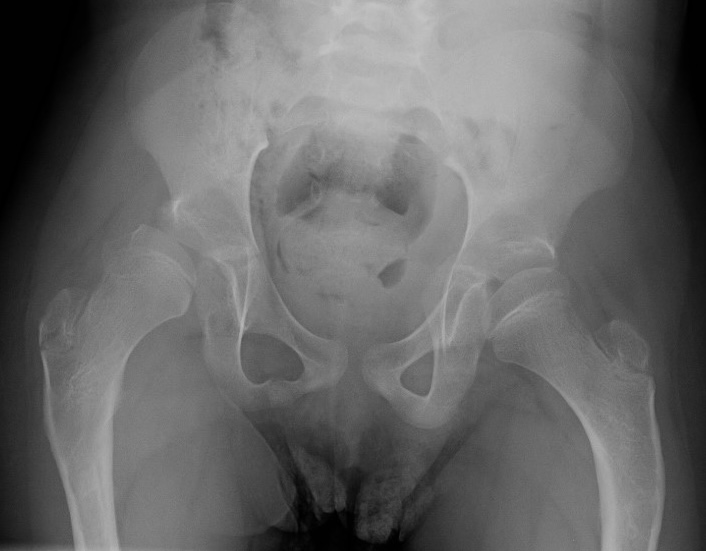
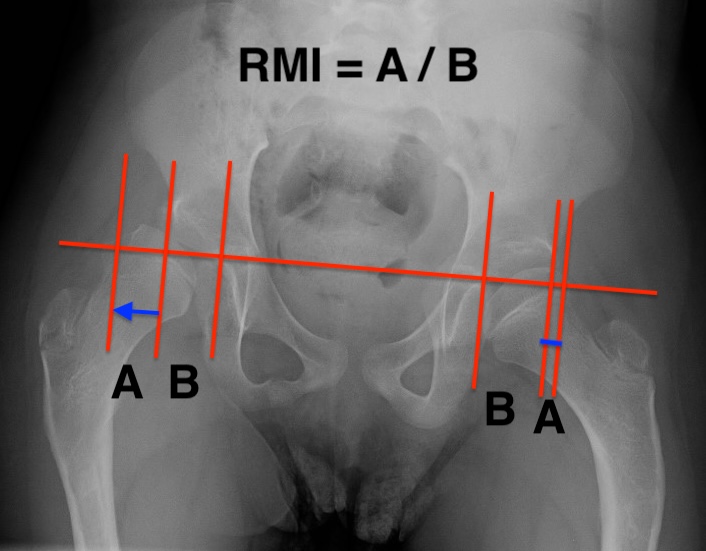
RMP 50%
Prevention
- RCT of botox/bracing for prevention hip dislocation in 90 CP children
- minimal benefit
- RCT of hip brace in CP
- evidence that brace prevented progression of hip displacement
Management options
Soft tissue release: adductor +/- psoas release
Femoral derotation osteotomy (FDRO)
Proximal femur guided growth - reduce valgus
Combined femoral + pelvic osteotomy (deformity is posterior / use Periacetabular osteotomy / Dega)
Salvage / deformed head: femoral head resection / valgizing osteotomy
Adductor +/- psoas tenotomy
Indications
- adduction < 30o
- flexion contracture > 20o
Medial incision
- identify and release adductor longus tendon +/- brevis
- can release psoas from lesser tuberosity in non ambulators
- psoas release at pelvic brim in ambulators
- +/- obturator nerve neurolysis
van Stralen et al JBJS Rev 2024
- systematic review of adductor tenotomy preventing hip subluxation in CP
- adductor release + extensive soft tissue release: failure rate 40%
- adductor release only: failure rate 87%
Femoral varising derotation osteotomy (FDRO) + soft tissue release
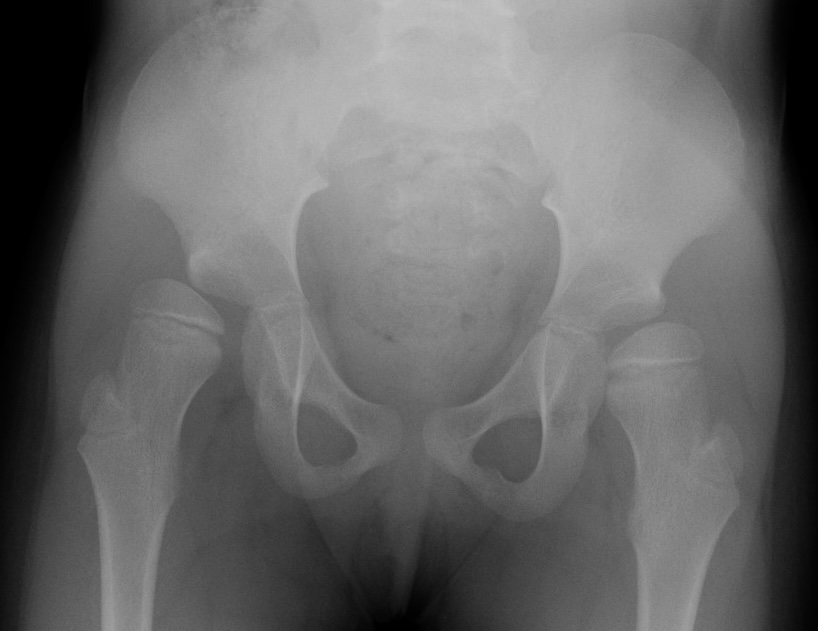
POSNA Academy FDRO in CP technique video
Kiapekos et al Acta Orthop 2019
- 186 patients with CP underwent either adductor/psoas release or FDRO
- 5 year follow up
- adductor / psoas release: reoperation rate 43%, 2% RMP > 50%
- FDRO: reoperation 39%, 9% RMP > 50%
Combined femoral and pelvic osteotomy + soft tissues releases
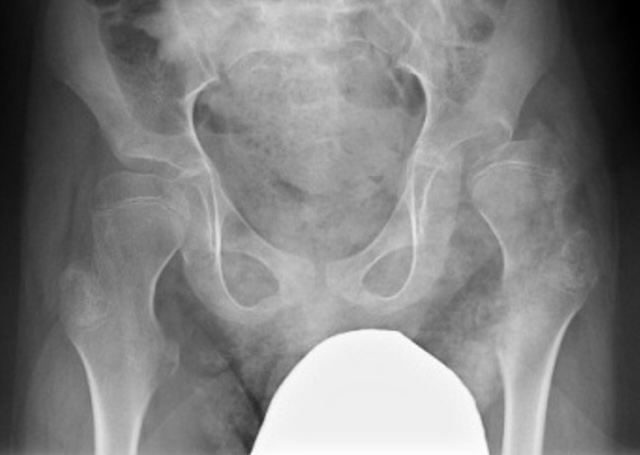
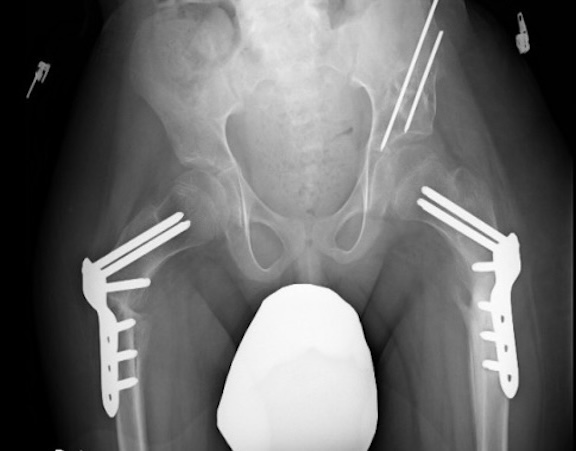
Acetabulum has posterior acetabular deficiency (compared with anterior deficiency in DDH)
- Dega / San Diego / Pemberton osteotomy
- rotate through tri-radiate
- open more posteriorly than anteriorly
AAOS pelvic + femoral osteotomy technique video
Kiapeckos et al J Pediatr Orthop 2024
- 163 CP with either femoral osteotomy or combined femoral / pelvic osteotomy
- 5 year follow up
- worse preoperative RMP in combined group
- femoral osteotomy: 21% reoperation, 9% failure
- combined femoral / pelvic osteotomy: 5% reoperation, 5% failure
Guided growth
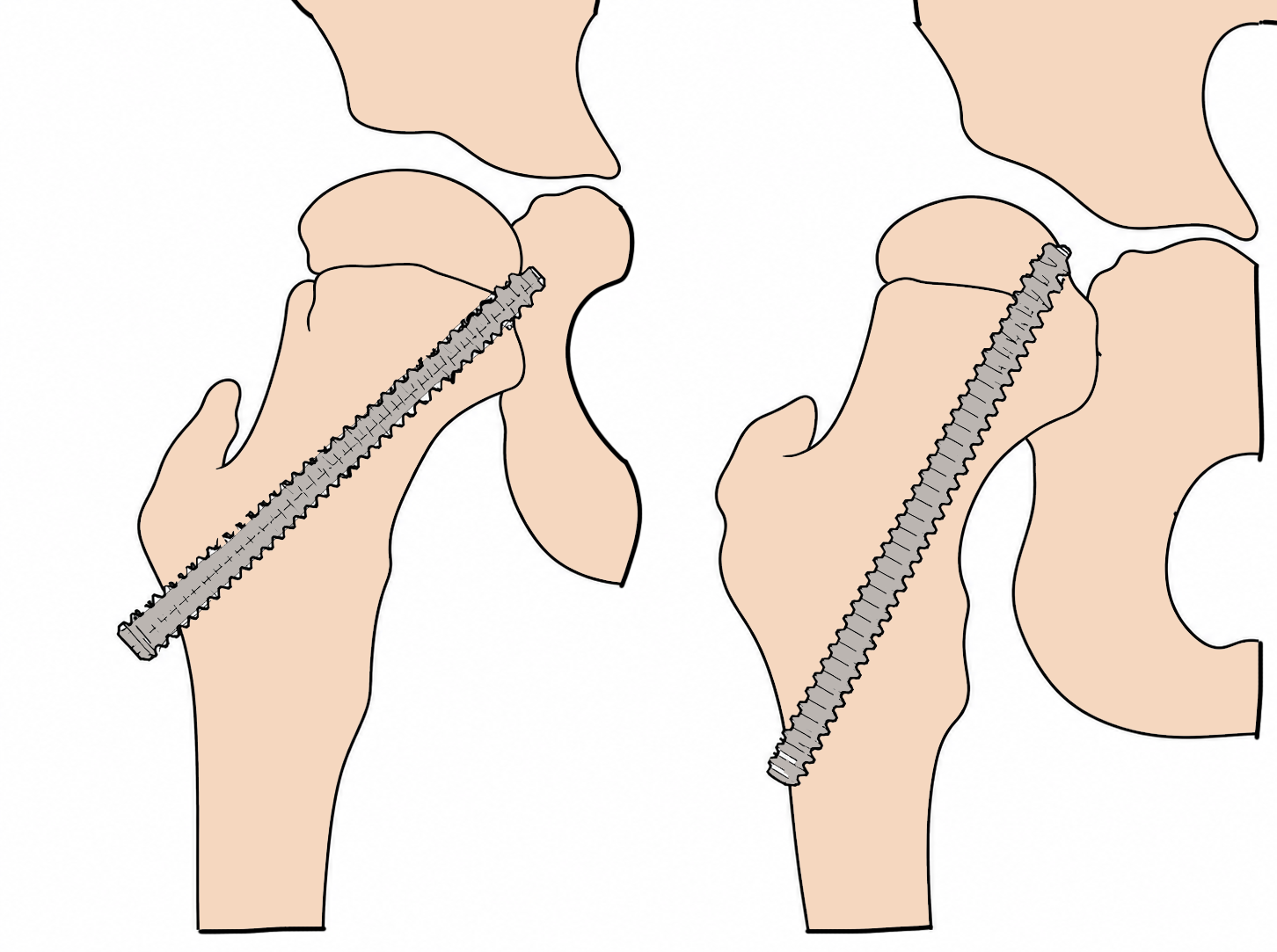
Proximal femoral screw hemi-eiphysiodesis
- aim to tether medial proximal physis
- +/- soft tissue releases
POSNA Academy proximal femur guided growth CP technique video
- systematic review
- mean change in RMP 8%
Salvage
Kolman et al J Pediatr Orthop 2016
- systematic review of salvage options in CP hip dislocation
- femoral head resection versus valgus osteotomy versus THA versus arthrodesis
- best pain relief with femoral head resection and valgus osteotomy
- high complication rate with THA in ambulators
Intoeing
Cause: Increased proximal femoral anteversion
Treatement: Subtrochanteric derotation osteotomy
Windswept hips
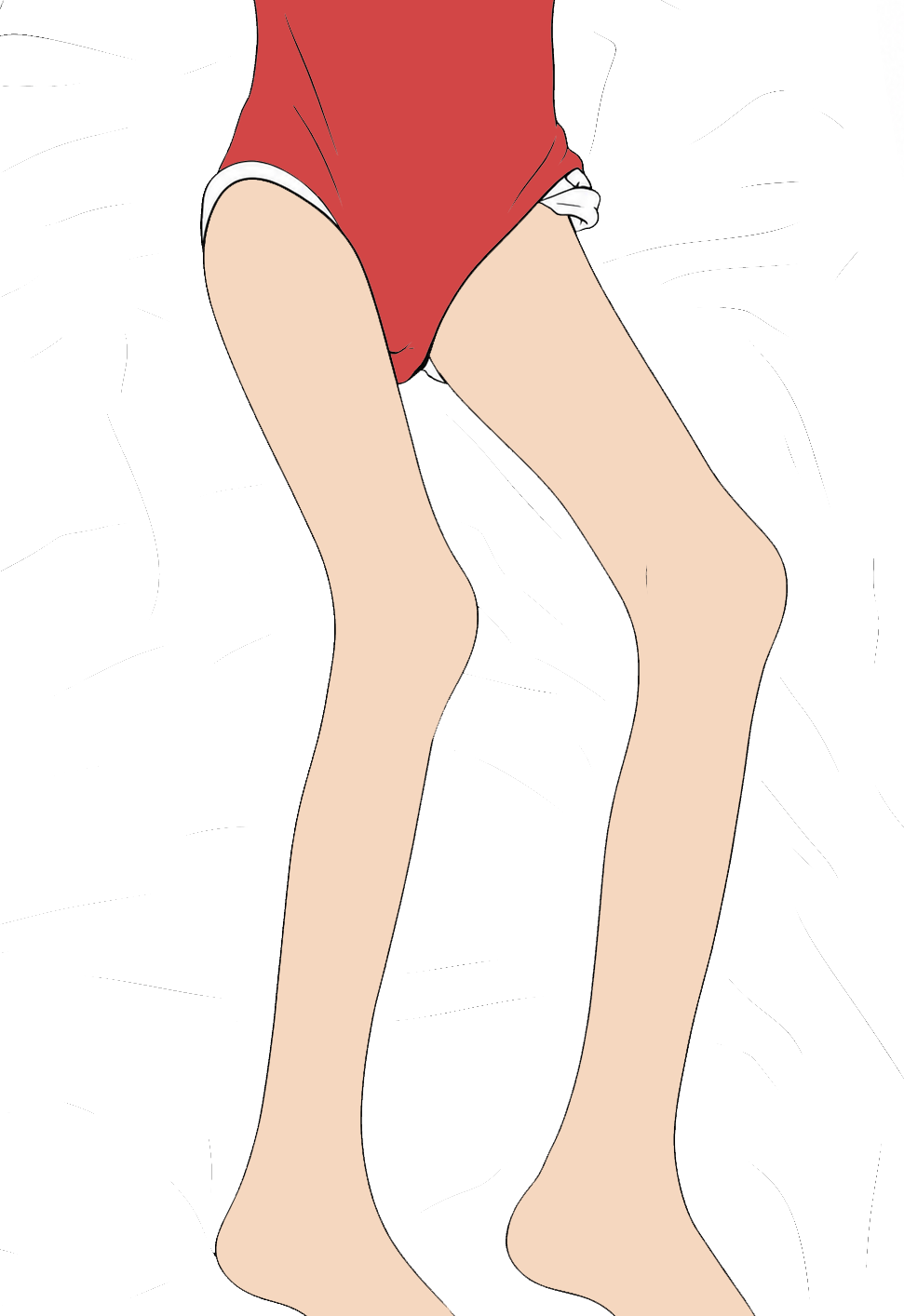
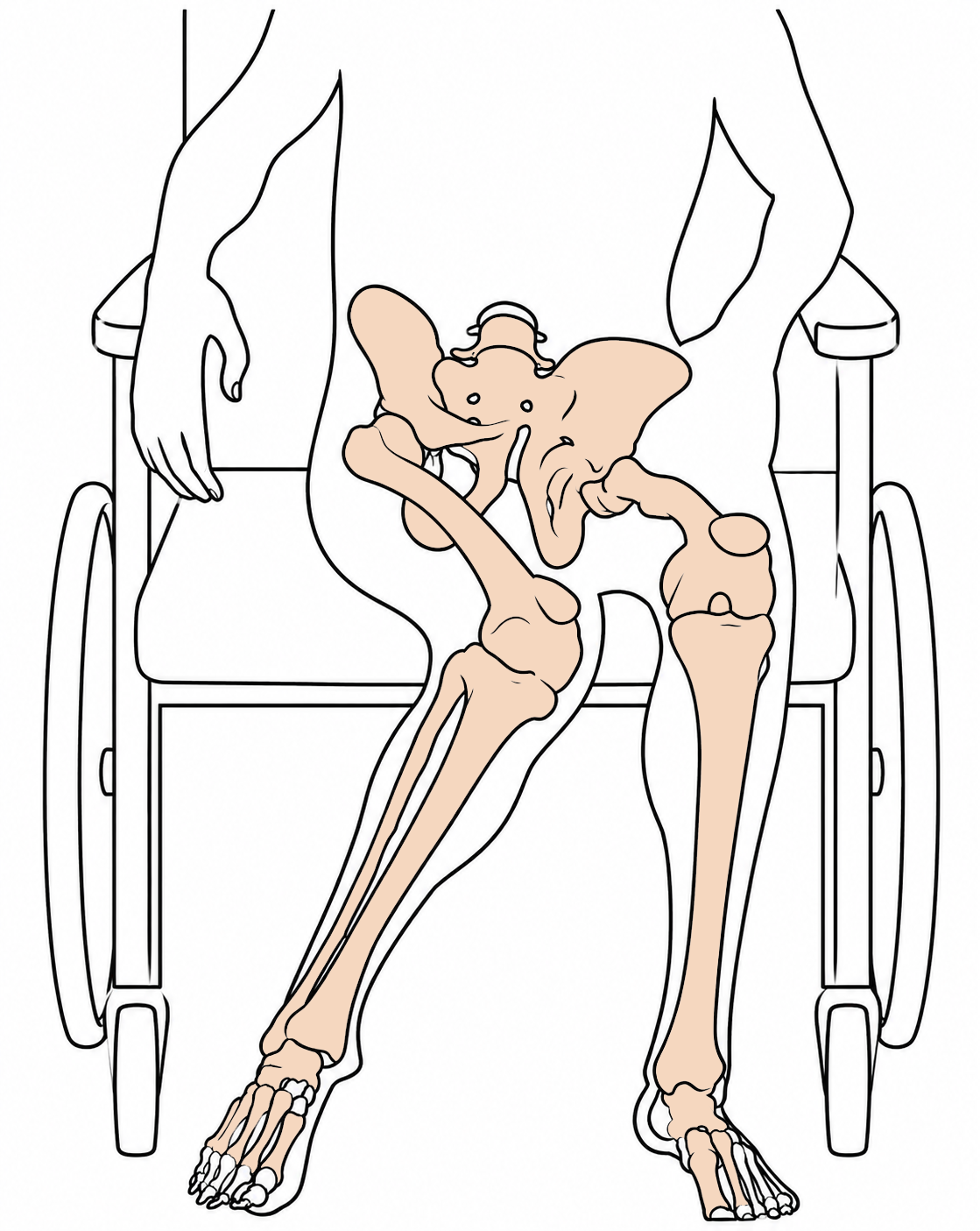
Pelvic obliquity
- one hip swept outwards / abducted and externally rotated
- one hip swept inwards / adducted and internally rotated
Adducted hip - release psoas / adductors / hamstrings + femoral ostetomy
Abducted hip - release ITB / abductors + femoral osteotomy