
Beighton score
| Little fingers | Thumbs | Elbows | Knees | Trunk |
|---|---|---|---|---|
| Hyperextension of 5th MCPJ beyond 90 degree | Able to oppose thumb to flexor surface of forearm | Hyper-extension > 10 degrees | Hyper-extension > 10 degrees | Able to place hands flat on floor while keeping knees extended |
| +2 | +2 | +2 | +2 | +1 |
Definition
Inheritable disorder of connective tissue
Epidemiology
Male = Female
1 in 5000
Nil geographical variation
Aetiology
AD
Gene
- FNB1
- fibrillin
- chromosome 15
Now diagnosed by genetic studies
Pathology
Fibrillin is a component of elastic fibres
DDx
Homocystinuria
- no FHx
- diagnose via urinalysis
- presents the same way
Ehler Danlos
- very fragile, mobile skin
Stickler's
- mental impairment
Clinical Features
Major criteria
- FHx
- pectus excavatum requiring surgery
- pectus carinatum
- arm span : height ratio > 1.05
- wrist sign (LF and thumb overlap)
- thumb sign (projects past ulna border palm)
- scoliosis > 200
- pes planus
- protrusio
Minor
- pectus excavatum
- minor scoliosis
- thoracic lordosis
- high arch palate
- joint hypermobility
Need 2 major or 1 major / 2 minor
Skeletal
Arachnodactyly
- long fingers and toes
Thumb sign
- protrudes past ulna border palm
Pectus excavatum / carinatum
Ligamentous laxity
- genu valgum
- PFJ instability
Scoliosis
- 60% patients
- right thoracic
- 20% need OT
- complicated by thoracic lordosis
Spondylolithesis
Dural ectasia
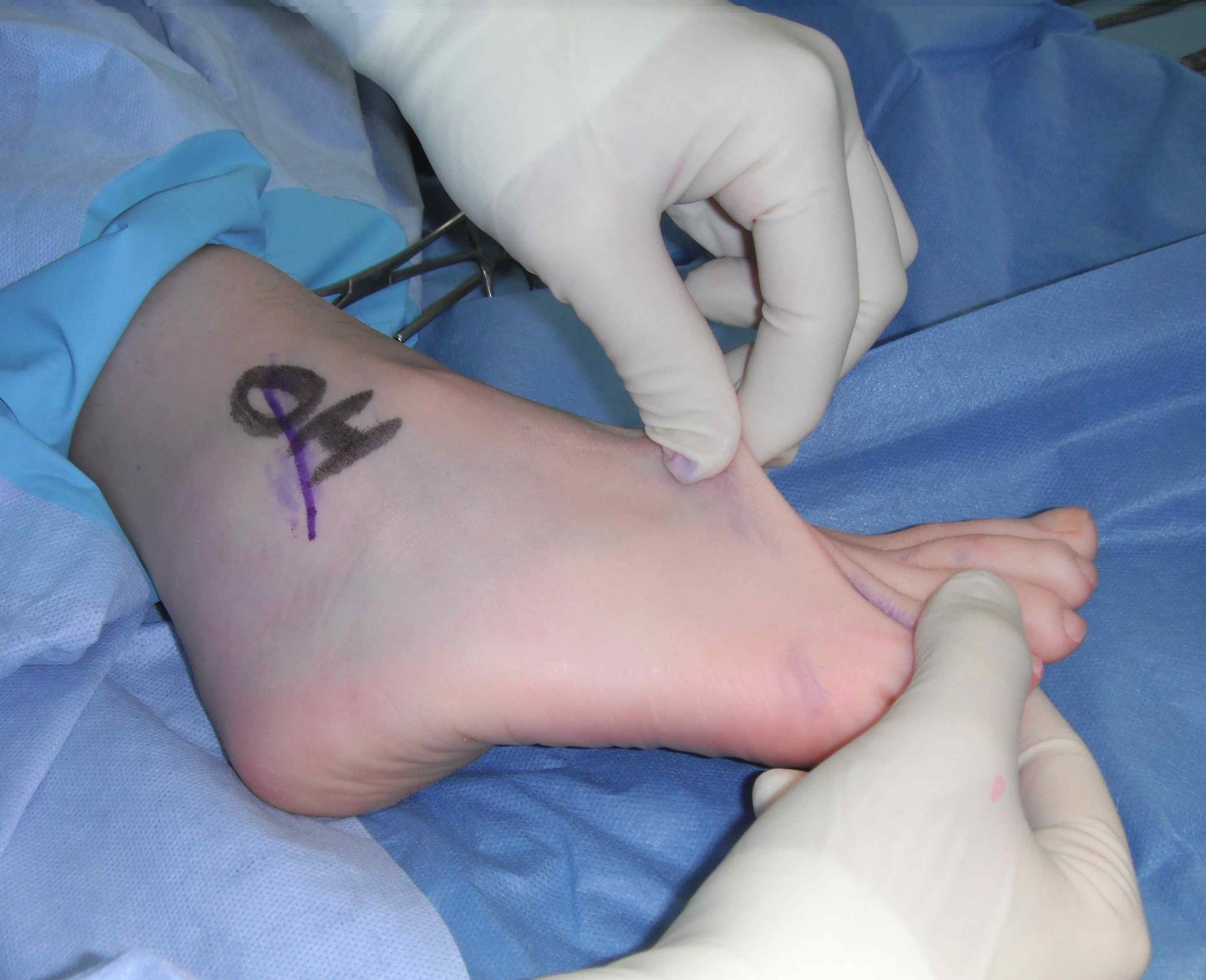
Flat feet
- ligamentous laxity
Protrusio
- consider triradiate cartilage fusion
Elbow joint contractures
Extra-skeletal
High arched palate
Lens dislocation
- also short sighted, astigmatism
CVS
- AR, MR
- aneurysm
- dissection
Spontaneous Pneumothorax
Spine
Epidemiology
Spinal involvement occurs in approximately 75% of patients with Marfan's syndrome
- scoliosis is the most common spinal deformity
- the cervical spine is almost always normal
Those who develop scoliosis do so by 9 years of age
- one half of the patients develop it by age 6 years
Pathology
Curve patterns resemble idiopathic scoliosis
- frequent progression during adolescence
Despite the patients' generalized ligamentous laxity, many of the curves are quite rigid
Thoracic lordosis
- second most common spinal deformity
- associated with loss of normal lumbar lordosis
Progression
These curves also tend to be painful, progressive, and often cause respiratory problems
Curve progression rates average 7 - 10o per year
- with the most rapid increase occurring during the early adolescent period
Management
Non operative
Brace treatment
Controversial
- most patients fail brace treatment
- orthotics may be used as a holding device for patients who eventually will undergo fusion
Operative
Technique
Posterior spinal instrumentation and fusion
- mainstay of treatment
- a high rate of pseudarthrosis can be expected
- may lower with addition of an anterior fusion, abundant bone grafting, and postoperative immobilization
Complications
Pseudoarthrosis
Cardiac
- high incidence of malformations
- need good pre op work up
Superior mesenteric artery syndrome
- high incidence if put in jacket