
Definition
Twisted neck secondary to sternocleidomastoid (SCM) fibrosis and shortening
Etiology
? Packaging defect from in utero ischemia - breech position / oligohydraminos
? Birth trauma
Associations - developmental dysplasia of the hip (20%)
Clinically
Head tilted to one side so ear approaches shoulder / Head turned towards other shoulder
Associated with craniofacial asymetry
May have mass / lump in SCM
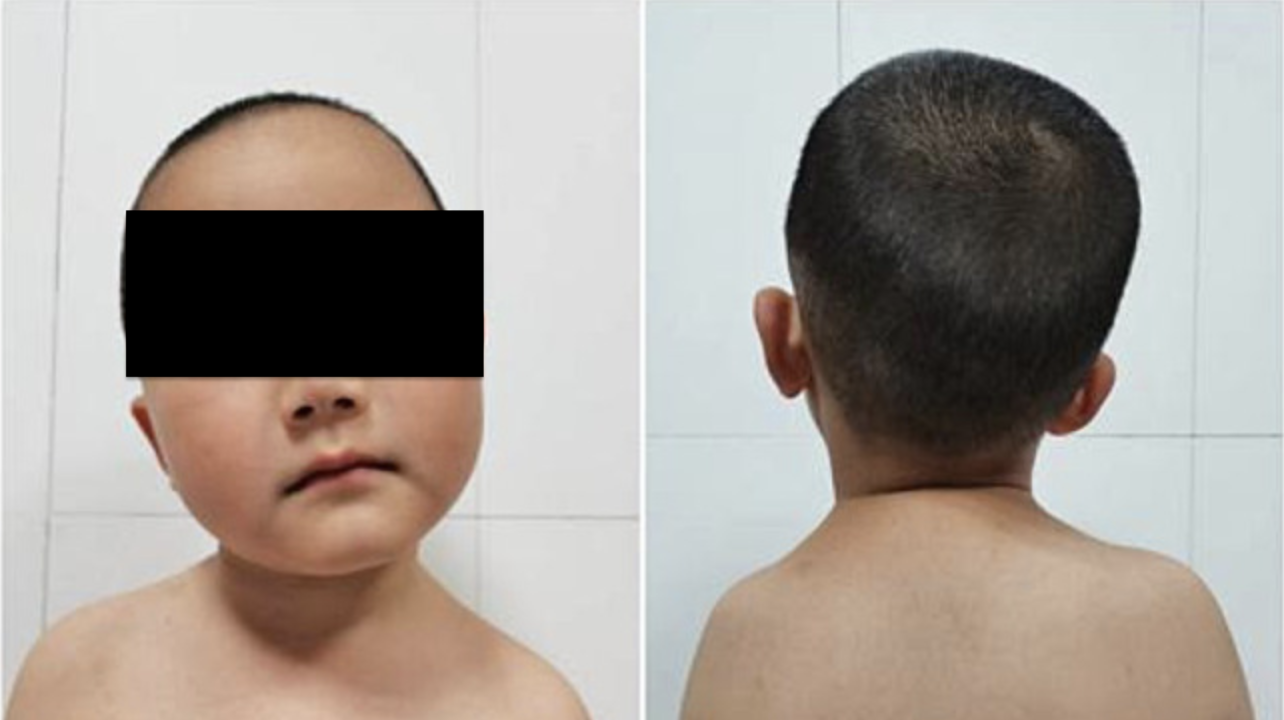
From: Li et al J Orthop Surg Res 2024
Differential diagnosis
Congenital vertebral anomaly - Klippel Feil, C1-2 fusion, unilateral C1 deficiency
Ocular causes - strabismus / nystagmus
Sandifer syndrome - paroxysmal movements associated with reflux
Imaging
Exclude congenital vertebral anomaly / only indicated in refractory presentations
Nonoperative management
Stretching exercises
Passive stretching exercises
- lateral head bend away from affected side
- head rotation towards affected side
Carenzio et al Eur J Phys Rehab Med 2015
- 50 infants mean age 10 weeks treated with physiotherapy
- 49/50 resolved at mean of 80 days
Petronic et al Eur J Phys Rehab Med 2010
- 980 infants with CMT
- best results and fastest resolution with treatment beginning < 1 month old
Botox
Qiu et al J Craniofacial Surg 2020
- systematic review of botox injections in torticollis
- 84% success rate
- 1% complication (injection site erythema, transient dysphagia)
Operative management
Indication
Torticollis > 1 year age
> 30o limitation of movement
Options
Open release
Endoscopic release
Results
Endoscopic
Li et al J Orthop Surg Res 2024
- endoscopic release in 72 children
- mean age 4 years
- 97% good results
Timing
Choi et al Arch Plast Surg 2024
- 210 patients with surgical release
- best results < 3 years old
Neglected torticollis
Kim et al Plastic Recon Surg 2015
- systematic review of release of 220 neglected torticollis
- 80% good results
- no difference outcome patient < 15 versus > 15
Open technique
Distal release +/- proximal release if needed
Distal release
- 5cm transverse incision 1cm above medial end clavicle
- open tendon sheath and expose sternal and clavicular tendons
Proximal release
- incision immediately behind and below ear
- divide SCM just distal to tip of mastoid process
- spinal accessory nerve at risk
Post operative - continue stretching exercises