
Definitions
Spina bifida - failure of closure of neural tube (vertebra +/- spinal cord)
Spina bifida occulta
- two halves of posterior arches fail to fuse
- seen in 5-10% of xrays in normal population
Spina bifida cystica
- prolapse of neural elements causing motor and sensory deficit below level of lesion
- meningocele: prolapse of dura only usually with no neurological deficit
- myelomeningocele: prolapse of cord & dura in defect / associated with neurological deficit
Epidemiology
1 / 1000 USA / Europe
Etiology
Multifactorial
- genetic factors
- low folic acid - folic acid supplementation will prevent 50 - 70% neural tube defects
- maternal obesity
Prenatal Screening
Issue
1. Consider cesarian section and closure of myelomeningocele within 48 hours
2. Consider pre-natal surgical repair
Ultrasound - high sensitive at 20 week ultrasound
Prenatal surgical repair of myelomeningocele
Laparotomy / hysterotomy / defect repair and closure
- between 19 and 25 weeks
- evidence that it improves outcomes and preserves neurological levels
- RCT of prenatal versus postnatal repair in myelomeningocele
- 158 patients followed up for 12 months
- reduced need for shunt and improved motor outcomes in prenatal repair
- prenatal surgery associated with increased preterm delivery and uterine dehiscence
Houtrow et al JAMA Pediatr 2021
- follow up of RCT of 150 patients at mean age 7 years
- prenatal surgery increased community ambulation and gait quality
- prenatal surgery less likely to have neurological injury below their anatomic level / preserves neurological level
Level of lesion
Lowest level at which grade 3 power / antigravity
- Thoracic: no grade 3 strength in lower leg muscles
- L2: grade 3 hip flexion (psoas)
- L3: grade 3 knee extension (quadriceps)
- L4: grade 3 knee flexion (hamstring)
- L5: grade 3 ankle dorsiflexion (tibialis posterior)
- Sacral: grade 3 ankle plantarflexion (gastrocnemius)
Ambulation depends on neurological level / quadriceps strength
| Thoracic / high lumbar | Low lumbar | Sacral |
|---|---|---|
|
Lack quadriceps function
|
Quadriceps and medial hamstring function
Lack gluteus medius / maximus function |
Quadriceps and gluteus medius function
|
|
Wheelchair as adult |
80% adult community ambulators Require crutches / AFO |
High sacral - lack gastrocneumius function / need AFO |
|
|
Low sacral - have gastrocneumius function / no AFO |
Schopler et al J Pediatr Orthop 1987
- 109 spina bifida patients
- grade 4 or 5 quadriceps power: 82% community ambulators
- grade 3 quadriceps power: 89% household ambulators
- grade 0,1,2 quadriceps power: 88% non ambulatory
Neurosurgical issues
Defect closure within 48 hours to prevent bacterial contamination and death from meningitis
| Hydrocephaus | Arnold-Chiari Malformation | Syringomelia / Syrinx | Tethered cord |
|---|---|---|---|
|
85% spina bifida cystica |
90% spina bifida cystica | 50% spina bifida cystica | 100% spina bifida |
|
Disruption of CSF flow - neural tube defect - Arnold Chiari malformation |
Cerebellar tonsils herniated below foramen magnum |
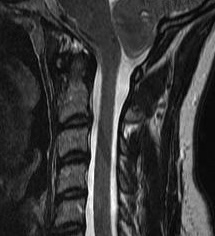
Cord cavitation caused by - hydrocephalus - AC malformation - tethered cord - pushes CSF into cord
|
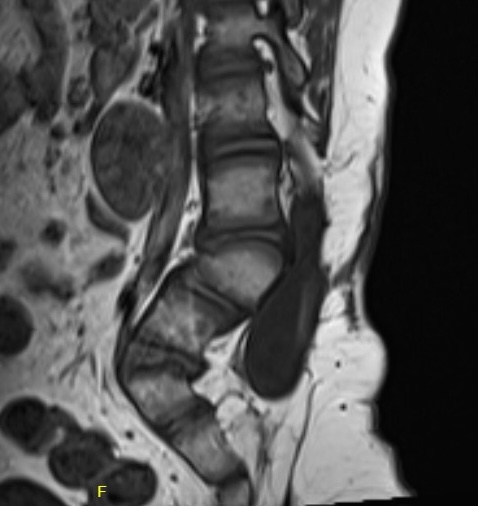
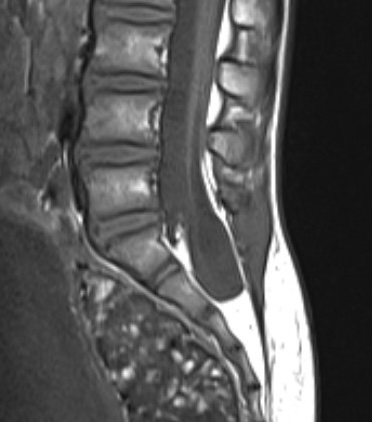
Conus medullaris tethered below L2 - attached to myelomenigocele - prevents normal proximal migration during growth |
|
 |
 |
 |
|
Neurological deterioration Vision / hearing loss |
Symptomatic 30% - apnea / stridor - neurological deterioration |
Respiratory compromise Neurological deterioration |
Not always symptomatic - lower limb progressive weakness - progressive scoliosis - cavus foot |
|
Ventriculo-peritoneal shunt Blocked shunt - deteriorating neuro function - bulging fontanelle |
Shunt Surgical decompression |
Shunt hydrocephalus Treat Arnold-Chiari malformation Treat tethered cord |
Surgical release |
Examination
5 telltale skin defects - tail, skin dimpling, sacral pit, hair tuft, lipoma
Xray
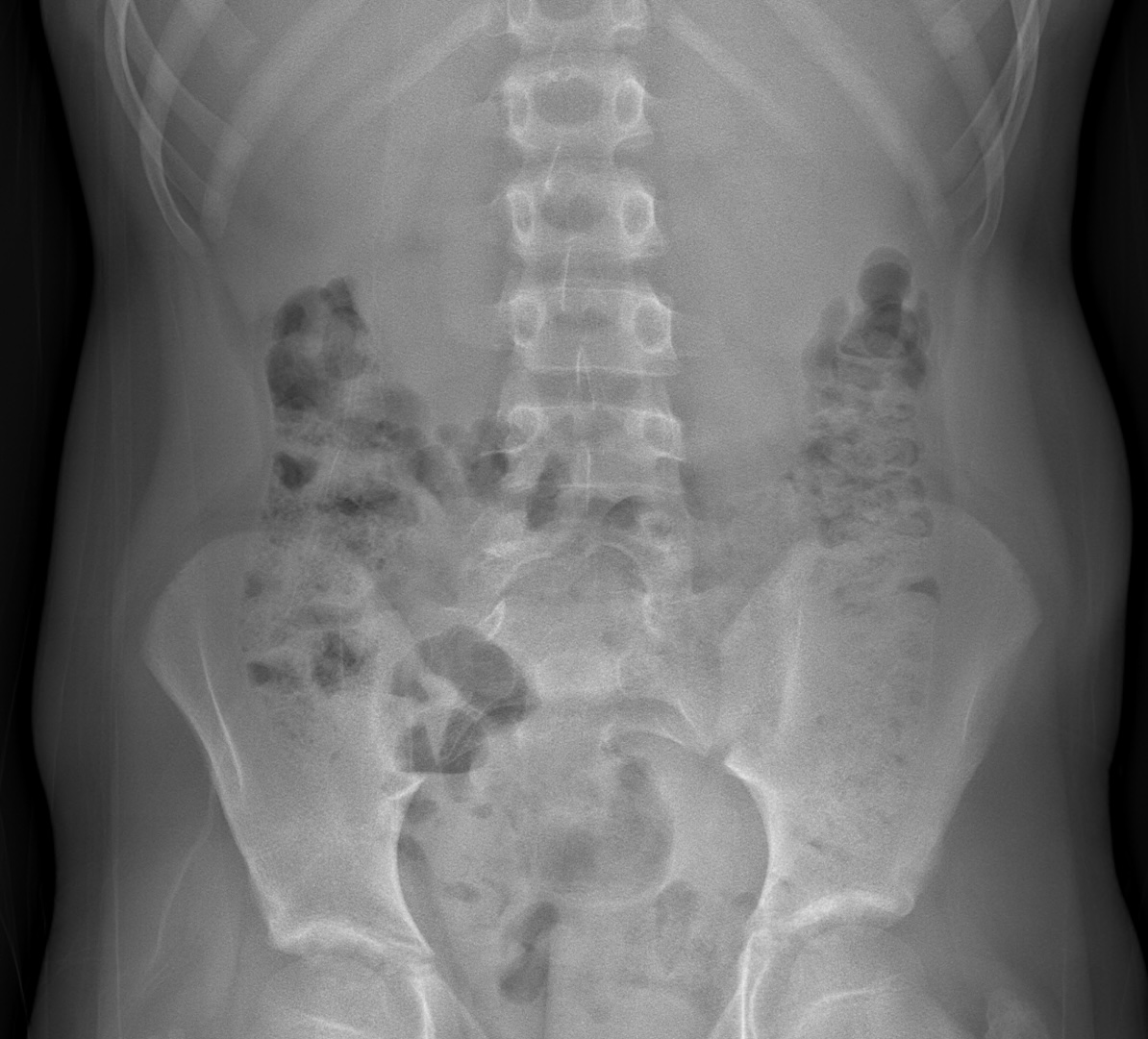
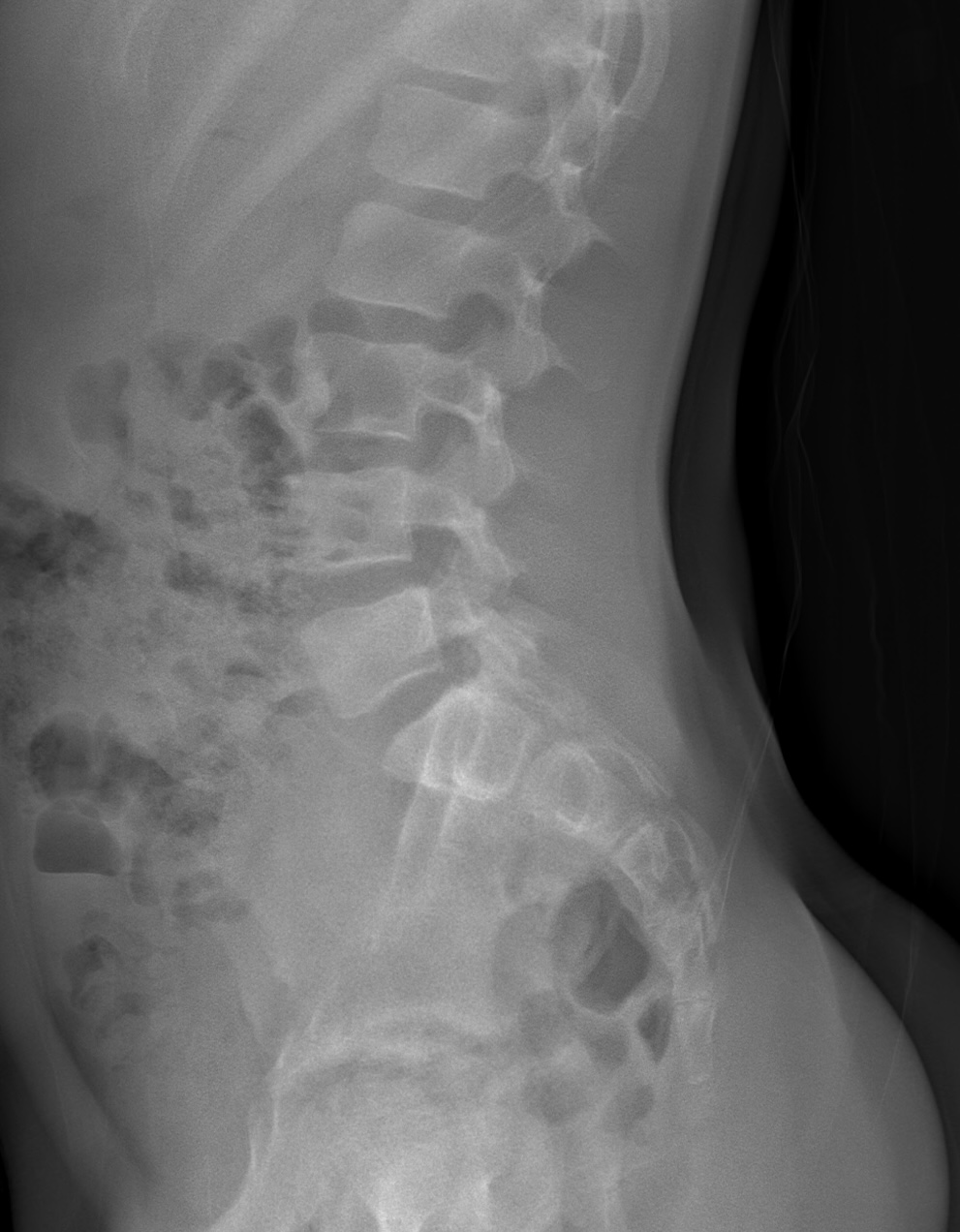
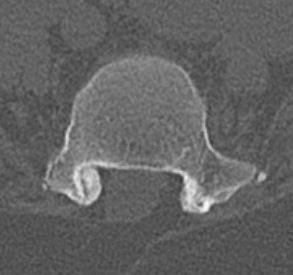
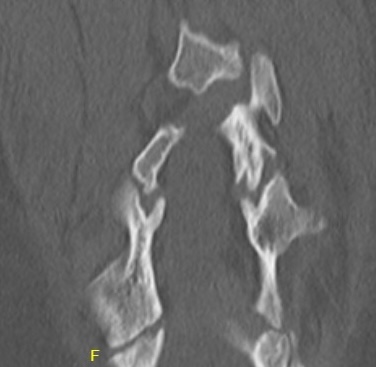
Spina bifida occulta
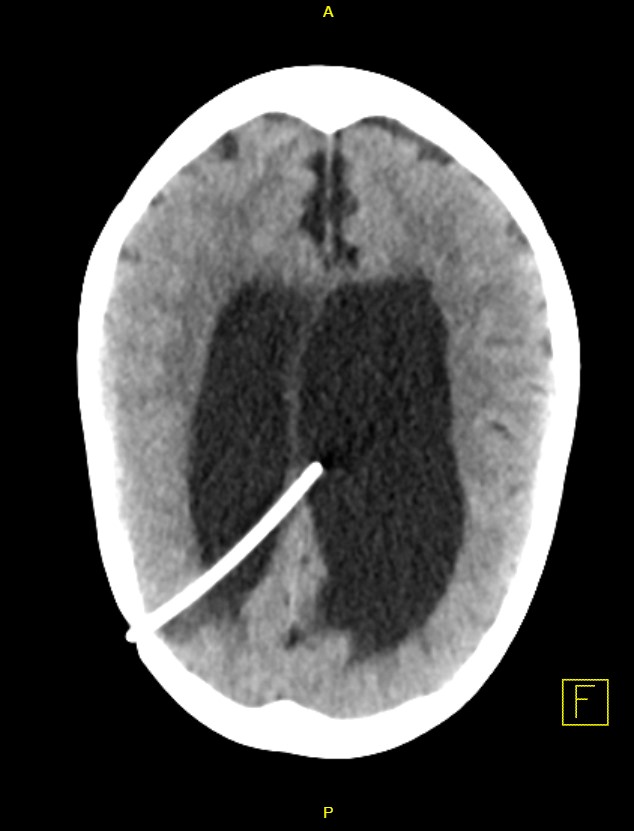
CT
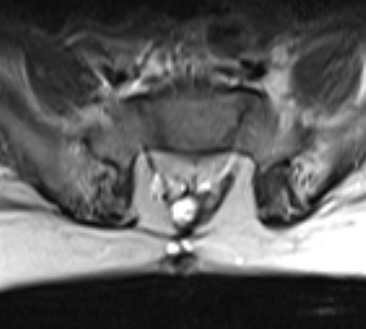
MRI
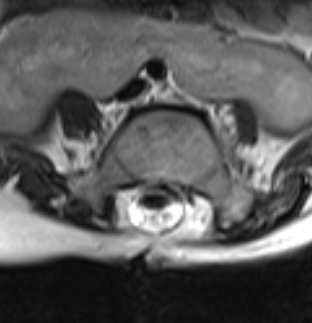
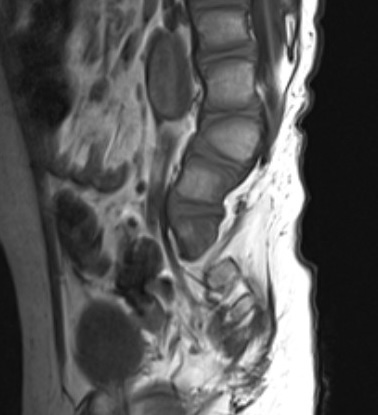
Spina bifida with treated myelomeningocele
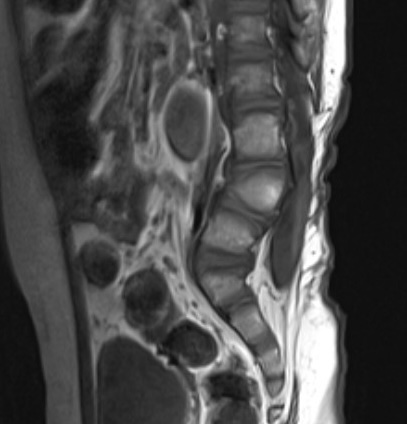
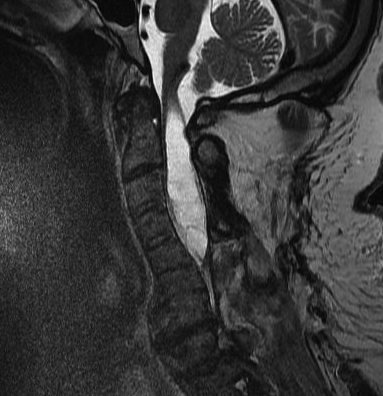
Spina bifida with tethered cord
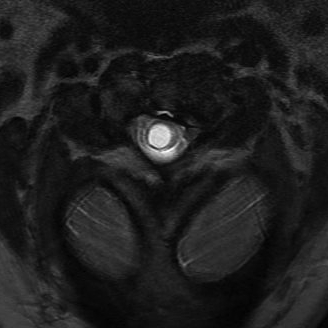
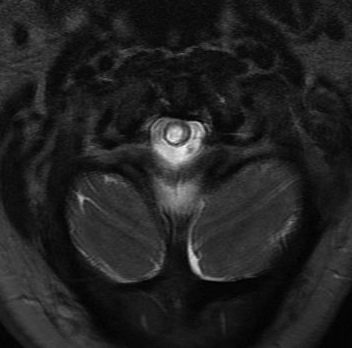
Cervicomedullary syrinx
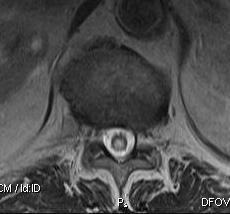
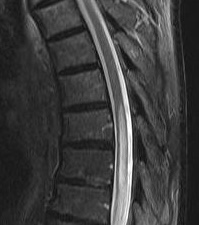
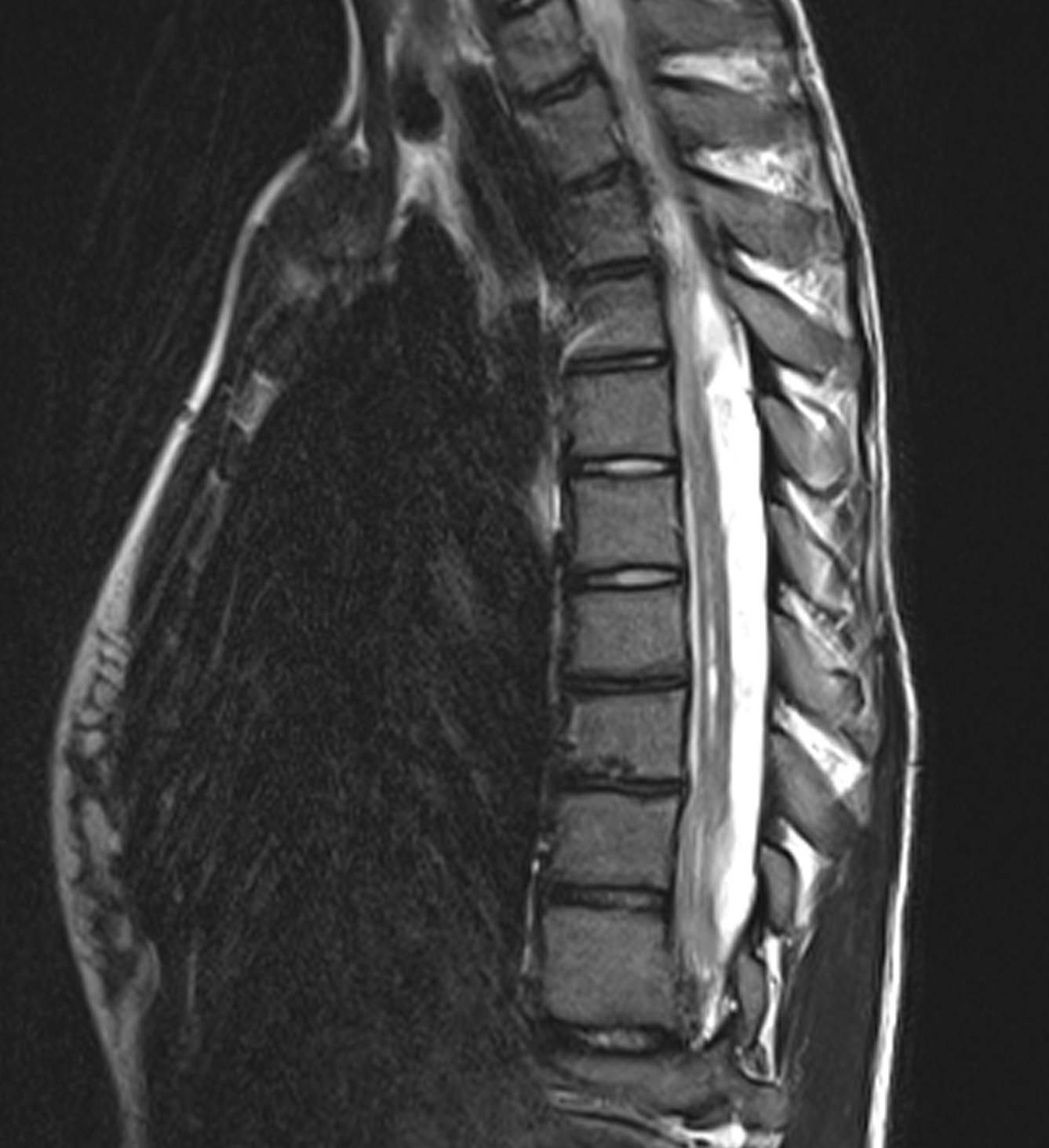
Syrinx
Management
Manage in spina bifida clinic
Neurosurgeon / orthopedic surgeon / urologist / physiotherapy / social worker
- monitor neurological levels
- look for deterioration / neurosurgical issues
Other clinical issues
- urinary complications - recurrent UTI, hydronephrosis, risk of renal failure
- pressure sores
- latex allergies common
Orthopedic issues
Hip dislocation
Knee contractures
Foot and ankle deformities
Scoliosis
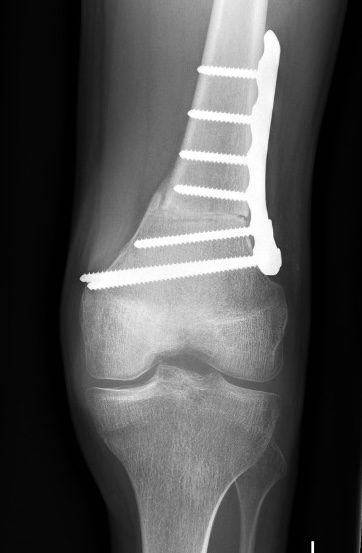
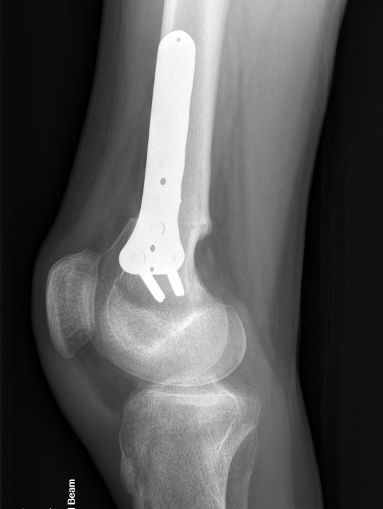
Fractures / supracondylar femur
Hip dislocation
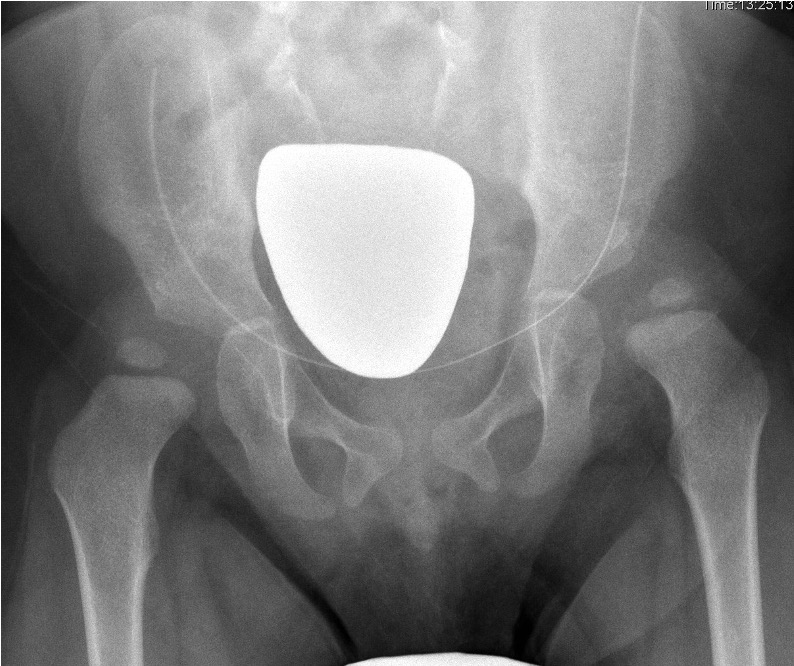
More likely with higher neurological levels and non ambulators
Best treated nonoperatively
- usually not painful
- doesn't affect ability to sit in wheelchair
- ? treat unilateral hip dislocation in ambulating patients which is a rare scenario
Thompson et al J Pediatr Orthop 2019
- 31 adult patients with myelomeningocele
- comparison of bilateral located hips / unilateral dislocation / bilateral dislocation
- when controlled for neurological level, no difference in outcomes with dislocated hips
Knee
Flexion contracture
Issues
- interferes with walking in ambulatory patient
- interferes with sitting in wheelchair patient
Options
- hamstring release / gastrocnemius release / posterior capsulotomy
- extension osteotomy
- surgical release in 45 knee flexion contractures in myelomeningocele
- flexion contractures impeding walking or sitting in wheelchair
- improved from 39 to 13 degrees
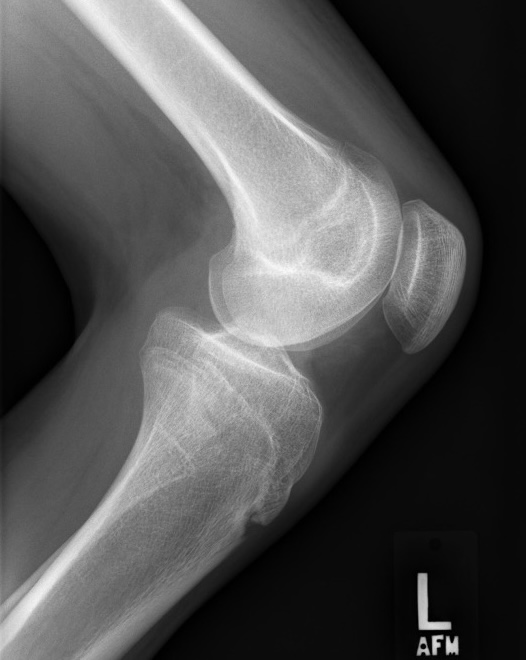
Extension contracture
Typically a congenital anomaly
Serial casting +/- VY quadriceps lengthening
Foot & Ankle
Issues
Nearly all patients will have foot and ankle issues
Multiple deformity types - equinovarus / calcaneus / planovalgus / cavus
Aim for plantigrade / shoeable foot
Gunay et al Childs Nerv System 2016
- incidence of of foot deformity in spina bifida by level
- thoracic region 85%
- high-level lumbar-L1-2 region 86%
- lower lumbar regions (L3-4-5) 82%
- sacral region 51%
- 22% clubfoot, 16% pes cavus, 10% pes valgus, 6% isolated equinus, 6% pes calcaneus
| Equinovarus | Calcaneus | Cavus | Planovalgus |
|---|---|---|---|
|
Cast Posteromedial release aged 1 year |
Divide EDL, EHL anterior ankle capsule +/- T Anterior transfer to heel |
Calcaneal osteotomy Metatarsal osteotomy |
Usually not an issue AFO |
| Recurrence / triple arthrodesis | Recurrence / triple arthrodesis |
Triple arthrodesis |
Guided growth Calcaneal osteotomy Triple arthrodesis |
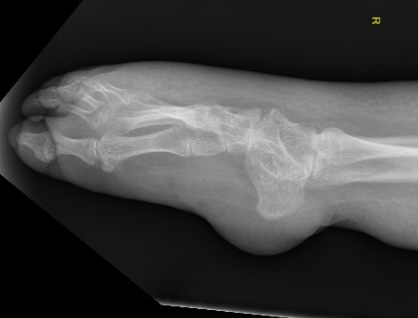
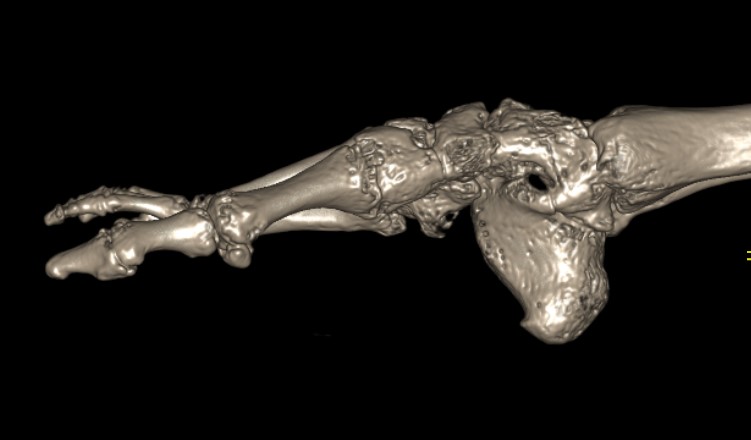
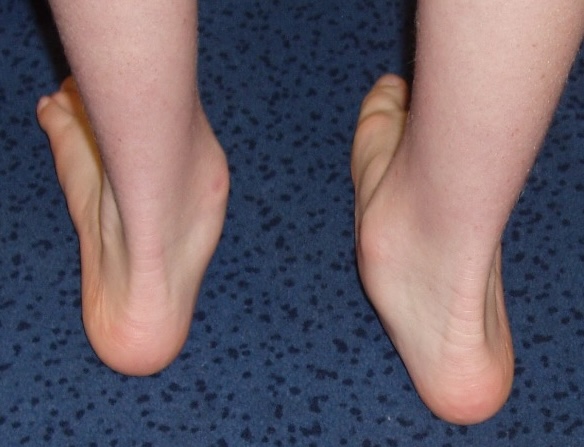
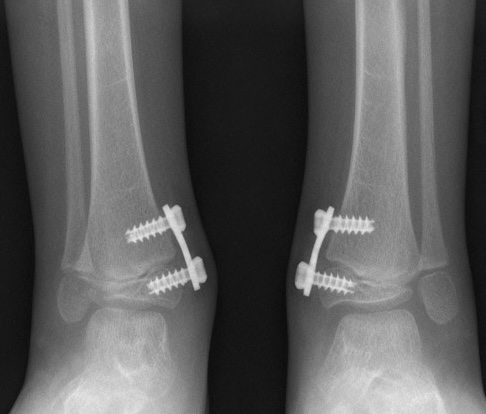
Spina bifida planovalgus
Scoliosis
Issues
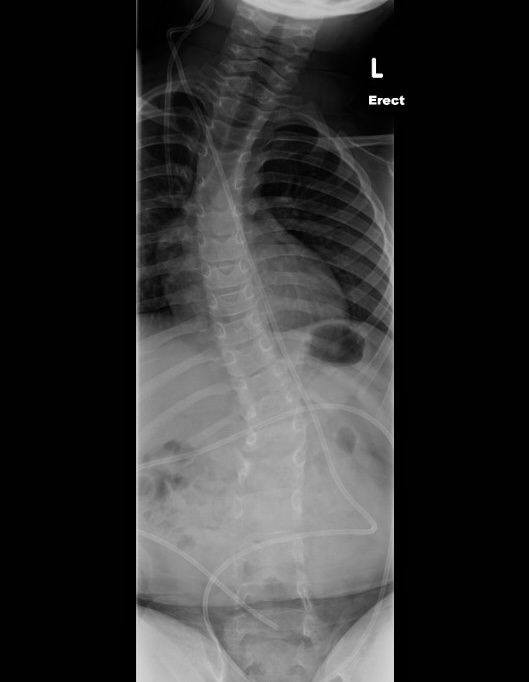
Very high incidence / most require surgery
- higher the level, more severe the scoliosis
- interferes with wheelchair seating / respiratory function / PEG feeding / pressure areas
- 10 - 20% congenital spinal anomalies
- 40% spinal dysraphism (syrinx / tethered cord / Arnold Chiari)
- incidence of severe kyphosis
Management
Brace curves < 40˚
Posterior fusion > 40˚
- posterior spinal defects make instrumentation difficult
- congenital anomalies
- spinal dysraphism
- difficult approach due to previous neurosurgical procedures
Results
- systematic review of scoliosis surgery in myelomeningocele
- poorer ambulation and increased pressures sores in those patients with scoliosis
- no clear benefit of improved QOL outcomes with surgery